
Introduction to Essential Survival Skills for Outdoor Enthusiasts
Embarking on an outdoor adventure is a thrilling experience, offering a chance to connect with nature, test your limits, and discover the unknown. However, these adventures come with their own set of challenges, and being equipped with the right survival skills is crucial for ensuring both safety and enjoyment. Whether you’re trekking through the dense forests of Kansas or scaling the rugged cliffs of a distant mountain range, understanding essential survival skills can make the difference between a memorable journey and a potentially perilous situation.
At its core, mastering survival skills is about preparation and adaptability. It’s about knowing how to navigate with a compass, start a fire without modern tools, and find food and water in an unfamiliar environment. These skills not only enhance your safety but also enrich your overall outdoor experience by fostering a deeper respect for the natural world.
For outdoor enthusiasts, learning these skills is not just about survival; it’s about embracing a lifestyle that values self-sufficiency and resilience. In a world where technology often overrides our natural instincts, these skills reconnect us with the earth and remind us of the simple but profound joys of living in harmony with nature.
Whether you’re a seasoned adventurer or a beginner eager to explore the great outdoors, building a foundation of essential survival skills will empower you to tackle any challenge with confidence. It’s time to step out of your comfort zone, embrace the wild, and let the adventure unfold.
Ready to dive deeper into these skills? Stay tuned as we explore each of the ten essential survival skills in detail, equipping you with the knowledge to thrive on your next outdoor adventure.
Understanding Basic Navigation Without a Compass
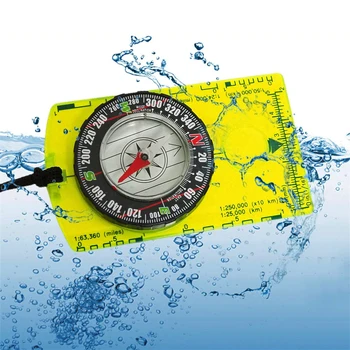
Embarking on an outdoor adventure can be exhilarating, but it also requires a certain level of preparedness, especially when it comes to navigation. Understanding basic navigation without a compass is an essential skill for any outdoor enthusiast. Knowing how to orient yourself using natural landmarks and celestial bodies can mean the difference between a successful adventure and a disorienting experience.
Using the Sun and Stars
The sun is one of the most reliable natural guides. In the northern hemisphere, it rises in the east and sets in the west. By observing the sun’s position in the sky, you can get a rough idea of cardinal directions. As the sun moves, shadow sticks can be used to track its path and estimate time. At night, the North Star, or Polaris, offers a steadfast point of reference in the northern sky, helping you maintain your sense of direction.
Observing Natural Landmarks
Recognizing natural landmarks is another key aspect of navigation without a compass. Features such as rivers, mountains, and distinct rock formations can serve as navigational aids. Mapping these landmarks in your mind and understanding their relative positions can provide guidance even in unfamiliar terrain.
Understanding the Environment
Awareness of environmental clues can further enhance your navigation skills. For instance, moss often grows on the damper, northern side of trees in the northern hemisphere. Animal trails can also lead you back to water sources or human paths, while wind patterns and weather changes might give hints about directionality and upcoming conditions.
Mastering these basic navigation skills not only builds confidence but also deepens your connection with the natural world. It’s a blend of observation, intuition, and knowledge that transforms each hike into an engaging experience. If you’re eager to enhance your outdoor skills, delve deeper into our expert guides and gear recommendations to ensure your adventures are both exciting and safe.
How to Build a Shelter in Various Environments
Venturing into the great outdoors can be an exhilarating experience, but it’s not without its challenges. One of the most essential survival skills every adventurer should master is building a shelter. Whether you’re caught in a downpour, enduring sweltering heat, or seeking refuge from the cold, knowing how to construct a reliable shelter can make all the difference in your outdoor adventure.
Understanding Your Environment
The first step in shelter building is to assess your surroundings. Different environments demand different strategies, so it’s crucial to adapt your approach based on your location. In forested areas, for instance, there are abundant resources like branches, leaves, and fallen logs that can be used to construct a lean-to or a debris hut. These shelters provide insulation and protection from rain.
Surviving in Open Terrains
In open terrains, such as deserts or plains, you’ll need to improvise with available materials. Here, you might construct a simple tarp shelter or a tent using lightweight materials you’ve carried. This type of shelter can protect you from the sun’s intense rays and provide much-needed shade.
Building in Cold Climates
In colder climates, the priority is insulation. Snow can be an excellent insulator if used correctly. Constructing a snow cave or a quinzee—a shelter made by hollowing out a mound of snow—can trap heat and keep you warm. Always ensure proper ventilation to prevent carbon monoxide buildup when using such shelters.
Mastering the skill of building a shelter is not just about survival; it’s about enhancing your connection to nature and understanding how to harness the environment to meet your needs. Ready to enhance your outdoor skills? Dive deeper into our expert-led guides and equip yourself for your next adventure.
Essential Fire-Making Techniques for Safety and Warmth
When embarking on an outdoor adventure, mastering the art of fire-making is indispensable. Fire is not only a source of warmth and safety but also a beacon of comfort in the wilderness. Understanding and practicing essential fire-making techniques can transform your outdoor experience, ensuring you are prepared for unexpected challenges.
Understanding the Basics
Before delving into specific techniques, it’s crucial to understand the basic elements required for fire: fuel, heat, and oxygen. Without these, a fire cannot ignite or sustain itself. Dry materials such as twigs, leaves, and bark serve as excellent tinder, while larger logs provide sustained fuel. Ensure there is ample space for air to circulate, feeding the fire with necessary oxygen.
Techniques for Reliable Fire-Making
- Matches and Lighters: The simplest method, yet it requires preparation. Always carry waterproof matches or a windproof lighter to combat adverse weather conditions.
- Ferro Rods: These compact tools strike against steel to produce sparks, igniting tinder even when damp.
- Fire Plough and Bow Drill: For the more adventurous, these traditional methods involve creating friction between wood to produce an ember. They require practice but are rewarding and effective.
Safety Considerations
While making a fire, safety should be paramount. Choose a location away from flammable materials and ensure the fire is completely extinguished before leaving the site. Carrying a small fire extinguisher or a bucket of water can be lifesavers in case of unexpected flare-ups.
Mastering these fire-making techniques not only enhances your survival skills but also enriches your outdoor adventures by providing warmth and a sense of security. Are you ready to embark on your next adventure with confidence? Explore our range of outdoor equipment designed to support your journey.
Finding and Purifying Water in the Wild
Embarking on an outdoor adventure, whether it’s a weekend camping trip or a week-long backpacking excursion, requires the ability to source and purify water. Water is the most critical resource for survival, and understanding how to find and make it safe for consumption is a skill that can make or break your outdoor experience.
Locating Water Sources
In the wild, water can often be found in obvious places like streams, rivers, and lakes. However, if these are not available, observing the environment can provide clues. For instance, areas with lush green vegetation or animal tracks often indicate nearby water sources. Additionally, collecting rainwater or dew from leaves can be viable options. Remember, not all natural water is safe to drink, and it must be purified to avoid health risks.
Purification Methods
- Boiling: The most reliable method of purifying water is to bring it to a rolling boil for at least one minute. This kills most pathogens.
- Filtration: Portable water filters are designed to remove bacteria and protozoa. They are lightweight and ideal for backpackers.
- Chemical Treatment: Tablets or drops containing iodine or chlorine can disinfect water, though they may affect taste.
Ensuring you can safely hydrate is vital for maintaining energy levels and overall health. By mastering these skills, you not only enhance your own safety but also enrich your connection to nature, allowing you to explore with confidence and ease.
Want to learn more about outdoor survival skills? Explore our full range of expert guides and gear recommendations.




0 Comments